
Introduction
As sustainability becomes a priority in both fashion and design, the demand for eco-friendly materials is skyrocketing. In particular, vegan leather—a cruelty-free alternative to traditional animal-based leather—has taken the UK fashion industry by storm. According to recent statistics, the global vegan leather market is projected to reach £89 billion by 2025, reflecting a growing consumer preference for ethical and sustainable options.
In the UK, vegan leather manufacturers are stepping up to the challenge, offering innovative alternatives to traditional leather products that reduce environmental impact. One such example is Bioleather, a sustainable plant-based leather alternative made from tomato waste. With its commitment to reducing carbon footprints and promoting ethical sourcing, Bioleather and similar innovations are reshaping the landscape of fashion and design. In this post, we’ll explore why vegan leather is essential for the future of sustainable fashion and how UK manufacturers are leading the way.
What is Vegan Leather?
Vegan leather, also known as faux leather or synthetic leather, is a man-made material that mimics the appearance and texture of animal leather but without the use of animal products. Traditional leather production involves the use of animal hides, which require significant resources to produce, including water, land, and livestock feed. In contrast, vegan leather is typically made from plant-based or synthetic materials, making it an ethical and sustainable alternative.
Types of Vegan Leather
- Plant-based vegan leather: Derived from materials such as pineapple leaves (Piñatex), cork, apple skins, or even tomato waste, plant-based vegan leathers are biodegradable and offer a lower carbon footprint compared to animal leather.
- Synthetic vegan leather: Made from plastics like PVC or polyurethane, synthetic leather is a more affordable alternative, though it does not boast the same level of environmental benefits as plant-based versions. However, advancements in recycling and the development of biodegradable synthetics are changing this landscape.
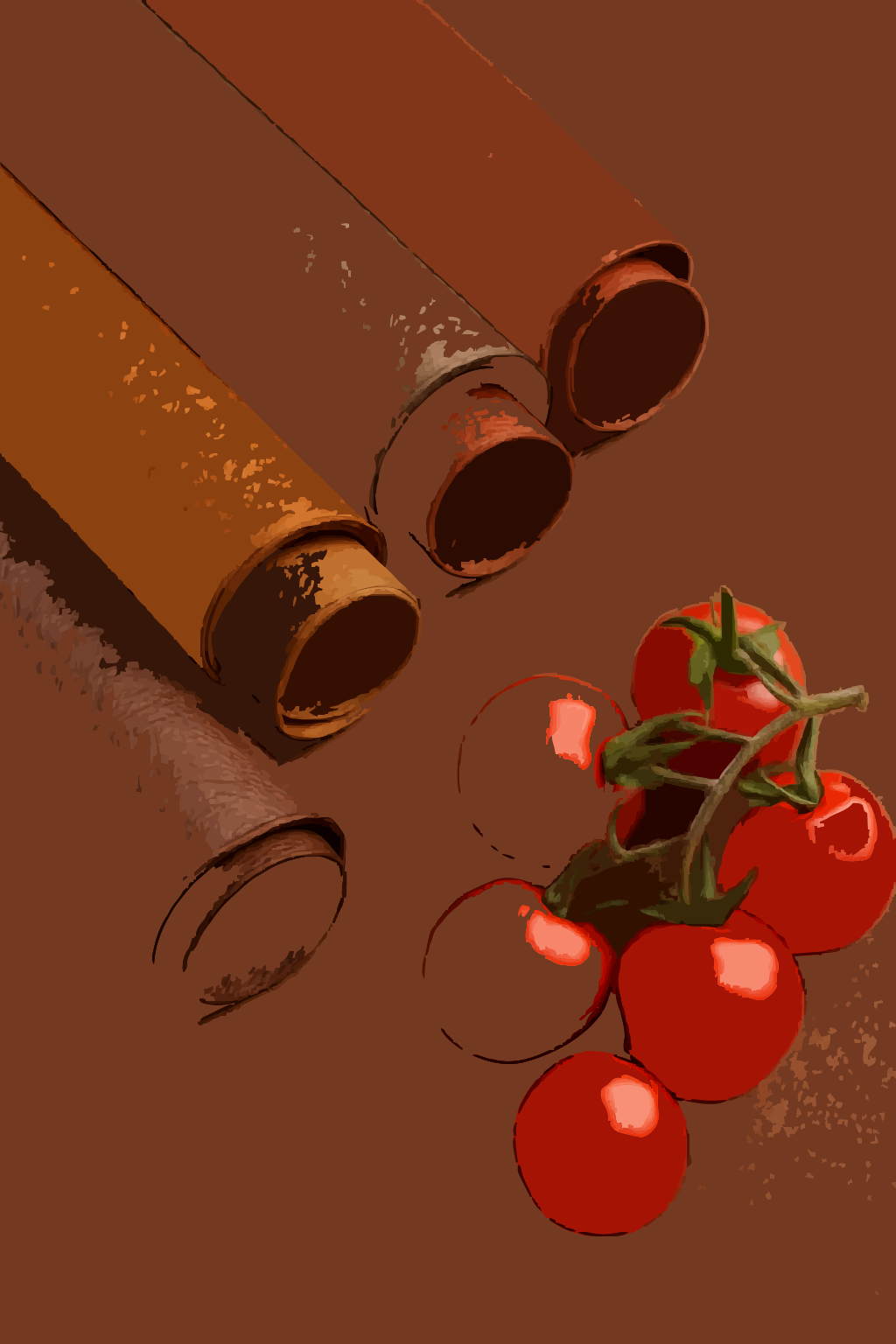
One of the most innovative plant-based leathers on the market today is Bioleather, made from tomato waste. This material not only reduces food waste but also offers an eco-friendly, biodegradable alternative to conventional leather, aligning perfectly with the growing demand for sustainable fashion in the UK.
The Role of Vegan Leather Manufacturers in the UK
The UK has emerged as a hub for sustainable fashion innovation, with vegan leather manufacturers UK leading the charge in creating high-quality, environmentally friendly materials. With the UK government’s focus on sustainability through initiatives like the Climate Change Act and UK Plastics Pact, businesses are incentivised to adopt eco-friendly practices.
Why the UK is a Leader in Vegan Leather Manufacturing
The UK has a long history of being a fashion powerhouse, and now, its manufacturers are integrating sustainability into every step of the production process. Whether it’s through sourcing plant-based raw materials or employing circular production methods, UK manufacturers are setting new standards for sustainable fashion.
- Innovation: The UK is home to several innovative manufacturers who are exploring new ways to make vegan leather from materials such as Bioleather (made from tomato waste), mushrooms, and even algae.
- Ethical Production: Manufacturers in the UK are increasingly focused on ethical sourcing, ensuring that their materials are cruelty-free and produced under fair labour conditions. Many are also committed to reducing waste and implementing recycling initiatives in their production processes.
- Consumer Demand: UK consumers are increasingly aware of the environmental impact of their purchases, with many seeking out sustainable products. As a result, vegan leather manufacturers are responding to this demand by offering more eco-friendly and ethically produced alternatives.
The Environmental Benefits of Vegan Leather
Reducing Carbon Emissions and Water Usage
The production of animal leather has a significant environmental cost. According to the World Bank, it takes approximately 7,000 litres of water to produce just one kilogram of leather, while leather tanning can release harmful chemicals into the environment. Vegan leather, on the other hand, typically requires far less water and energy to produce, especially when made from plant-based materials like Bioleather.
- Bioleather, made from tomato waste, offers a 90% reduction in water usage compared to traditional leather. Additionally, it has a much smaller carbon footprint, helping businesses reduce their overall environmental impact.
- A study by the European Commission suggests that plant-based leather alternatives can reduce carbon emissions by up to 80% compared to traditional leather production.
Reducing Waste and Promoting Circularity
Vegan leather offers a sustainable solution to the fashion industry’s waste problem. Materials like Bioleather are made from agricultural waste—such as tomato skins, seeds, and stems—helping to prevent valuable resources from ending up in landfills. This not only reduces waste but also promotes a circular economy, where materials are reused and repurposed for new products.
By using food waste, Bioleather helps divert agricultural by-products that would typically go to waste, reducing the environmental burden of disposal. Manufacturers who adopt circular production models and use sustainable materials are leading the way in fostering a zero-waste future for fashion.
How Vegan Leather is Shaping the UK Fashion Industry
Sustainable fashion is one of the most rapidly growing sectors in the UK. According to the British Fashion Council, the UK fashion industry is worth over £26 billion, and consumers are increasingly seeking out ethical and sustainable products. Vegan leather manufacturers in the UK are stepping up to meet this demand by creating high-quality, eco-friendly leather alternatives.
Leading UK Fashion Brands and Vegan Leather
Several leading fashion brands in the UK have already adopted vegan leather in their collections. For example:
- Stella McCartney: This high-end designer brand has been a pioneer in using sustainable materials, including vegan leather made from plant-based alternatives.
- Matt & Nat: Known for their stylish vegan leather bags, Matt & Nat has become a household name in the ethical fashion community.
As more brands make the switch to vegan leather, the demand for sustainable leather suppliers in the UK is expected to grow. This shift not only helps reduce the fashion industry’s environmental footprint but also encourages consumers to make more ethical purchasing decisions.
The Future of Vegan Leather in the UK
The future of vegan leather in the UK looks bright, with continued innovation and increasing consumer demand. As technology advances, manufacturers are creating new materials that offer the durability and aesthetic appeal of traditional leather, while being much more environmentally friendly.
The role of vegan leather manufacturers UK will only grow in importance as the fashion industry continues to embrace sustainability. From Bioleather to other plant-based and synthetic alternatives, vegan leather offers a sustainable solution that supports the growing demand for ethical fashion.
Conclusion: Discover How Bioleather is Redefining Sustainable Materials
The UK is leading the way in sustainable fashion, with vegan leather manufacturers at the forefront of this movement. Materials like Bioleather, made from tomato waste, offer an eco-friendly and innovative alternative to traditional leather, helping to reduce waste, carbon emissions, and water usage.
As consumers continue to demand more sustainable options, vegan leather manufacturers in the UK are responding with high-quality, plant-based materials that are reshaping the future of fashion. Discover how Bioleather is redefining sustainable materials and explore the potential of plant-based alternatives in your own fashion brand today.
Vegan leather is not just a trend; it’s the future of sustainable fashion. By embracing alternatives like Bioleather, we can reduce our environmental impact and create a more ethical, circular economy.