
Introduction: Why Sustainable Tomato Fabric Matters Today
As concerns about the environmental impact of the fashion industry continue to grow, the need for sustainable materials has never been more urgent. The fashion world is embracing plant-based and innovative alternatives to traditional materials, with sustainable tomato fabric emerging as a leading solution. In the UK, where sustainability is a key focus for both consumers and businesses, innovations like tomato fabric are making waves.
Tomato fabric is not just a new textile; it is part of a broader movement to reduce waste, decrease reliance on animal products, and create materials that contribute to a circular economy. In a world where millions of tons of food waste are produced every year, the potential of transforming discarded tomato by-products into durable, eco-friendly fabrics is a game-changer. In this blog, we’ll explore what sustainable tomato fabric is, how it’s made, and why it’s poised to be a key player in the future of fashion.
What Is Sustainable Tomato Fabric?
Understanding the Production Process
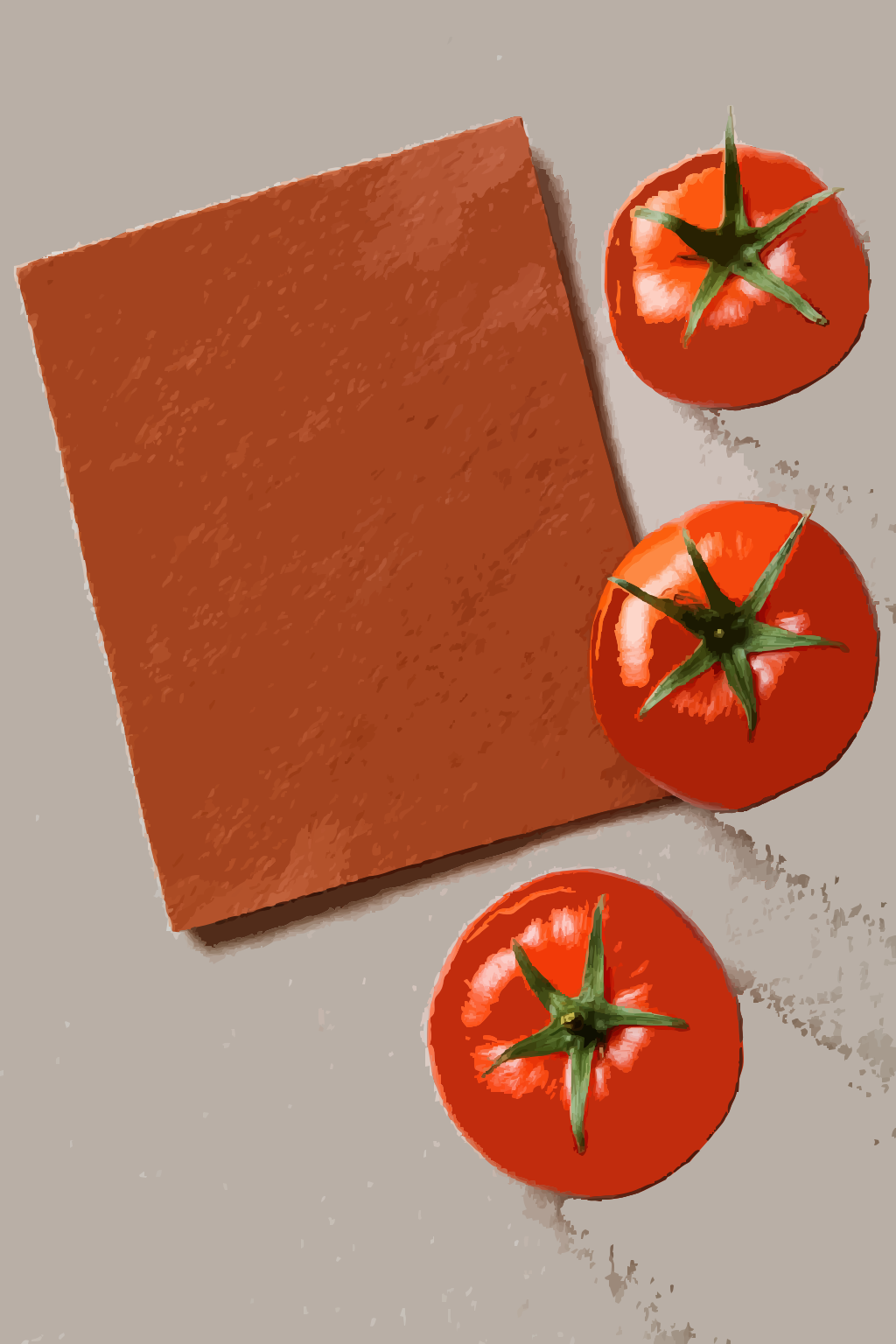
Sustainable tomato fabric is a plant-based textile created from the waste produced during tomato processing. This includes leftover skins, seeds, and pulp that would otherwise be discarded. The process of transforming these by-products into fabric involves extracting the natural fibres from tomatoes and turning them into a durable, biodegradable material suitable for use in the fashion industry.
This sustainable fabric is biodegradable, non-toxic, and made from renewable agricultural resources. By using waste from food production, it provides a way to upcycle materials that would otherwise end up in landfills. Unlike synthetic fabrics made from petroleum or animal-derived materials, tomato fabric offers a natural and environmentally friendly alternative.
How It’s Made: Turning Waste Into Fabric
The process of making sustainable tomato fabric begins with harvesting tomato waste from food production. The waste is then processed to extract the cellulose from the tomato skins and pulp. This cellulose is treated and spun into fibres, which are woven or knitted to create fabric. Depending on the specific process and treatment, the resulting fabric can have different textures, strengths, and finishes, making it versatile for various uses.
Tomato fabric is strong, lightweight, and biodegradable, making it ideal for use in everything from clothing and accessories to home furnishings. The ability to produce fabric from food waste also helps combat the environmental impact of the fashion industry, which is a major contributor to global pollution and resource depletion.
The Environmental Benefits of Sustainable Tomato Fabric UK
Reducing Waste and Promoting Circularity
In the UK alone, millions of tonnes of food waste are produced each year, with fruits like tomatoes contributing significantly. Instead of letting this valuable waste go to landfills, the creation of sustainable tomato fabric represents a way to repurpose it into a high-quality material. By converting tomato by-products into fabric, we can reduce the environmental toll caused by food waste while providing a functional and sustainable alternative to synthetic textiles.
Sustainable tomato fabric is an example of the circular economy in action. The circular economy focuses on reducing waste by reusing and recycling materials, keeping resources in use for as long as possible. By turning agricultural waste into a valuable product, tomato fabric contributes to a more sustainable and regenerative system.
Lowering Carbon Footprint and Water Usage
Compared to traditional fabric production, especially cotton and synthetic materials, the environmental footprint of tomato fabric is significantly smaller. Growing cotton, for example, requires large amounts of water, pesticides, and fertilisers, while synthetic fabrics, made from petroleum, contribute to plastic pollution and are non-biodegradable.
Sustainable tomato fabric, on the other hand, uses fewer resources and has a lower carbon footprint. According to studies, producing tomato-based textiles requires significantly less water and energy than traditional fabrics. As a result, it not only reduces waste but also conserves natural resources, making it an attractive option for eco-conscious fashion brands and consumers in the UK.
The Growing Popularity of Sustainable Fabrics in the UK
Consumer Demand for Sustainable Fashion
As awareness of the environmental impacts of fast fashion continues to rise, UK consumers are increasingly demanding sustainable and ethical products. A survey by the British Fashion Council found that 67% of UK consumers prioritise sustainability when making purchasing decisions. With this growing interest in ethical fashion, sustainable fabrics, like tomato fabric, are becoming more attractive to both consumers and brands.
Fashion brands are under pressure to reduce their environmental impact, and as the demand for plant-based and sustainable materials grows, more companies are incorporating these materials into their collections. Tomato fabric offers an innovative way for brands to align with consumer values and contribute to the circular economy.
A Viable Alternative to Animal-Based Materials
Sustainable tomato fabric also offers a cruelty-free alternative to animal-based materials, such as leather and wool. With the growing demand for vegan and animal-free options, materials like tomato fabric provide a solution that appeals to the increasing number of consumers looking for ethical fashion choices. For example, Bioleather, a UK-based company, uses tomato waste to create plant-based leather alternatives, proving that sustainable options can be both ethical and fashionable.
In addition to its use in clothing, tomato fabric has potential applications in accessories, home goods, and even automotive interiors. The versatility of this material makes it a valuable option for a wide range of industries seeking sustainable alternatives.
Bioleather: A Leading Example of Sustainable Tomato Fabric Innovation
Turning Tomato Waste into Sustainable Fashion
One of the most prominent companies leading the charge in using tomato waste for sustainable materials is Bioleather. Bioleather uses tomato processing by-products to create a leather-like material that’s both eco-friendly and durable. Their innovative approach to fabric production not only helps reduce food waste but also provides a cruelty-free, sustainable alternative to traditional leather.
By embracing the potential of tomato waste, Bioleather is redefining the way we think about fashion materials. Their products, which include handbags, footwear, and accessories, demonstrate the versatility of tomato fabric and its potential to reshape the future of the fashion industry.
Expanding the Future of Sustainable Materials
The use of sustainable tomato fabric is still in its early stages, but it has the potential to become a mainstream material as more companies adopt sustainable practices. With continued innovation, the applications for tomato-based fabrics will expand across industries, from fashion to furniture to automotive manufacturing. As production methods improve, sustainable tomato fabric will likely become more affordable and accessible, allowing it to make a significant impact on the global textile market.
Conclusion: The Future of Sustainable Tomato Fabric in the UK
Sustainable tomato fabric represents a crucial innovation in the quest for a more eco-friendly and ethical fashion industry. By repurposing food waste, this innovative material helps reduce environmental pollution, conserve natural resources, and promote the circular economy. As demand for sustainable materials grows, the UK is positioned to lead the way in the adoption of tomato-based fabrics, offering an ethical and sustainable alternative to traditional textiles.